State guide · Pennsylvania
Tribal loans in Pennsylvania: what the 6% and 24% caps mean
Pennsylvania lets unlicensed lenders charge no more than 6% a year and licensed small-loan companies no more than 24%. A tribal loan priced in the hundreds of percent sits far outside both numbers, and many tribal lenders simply do not lend to Pennsylvania addresses.
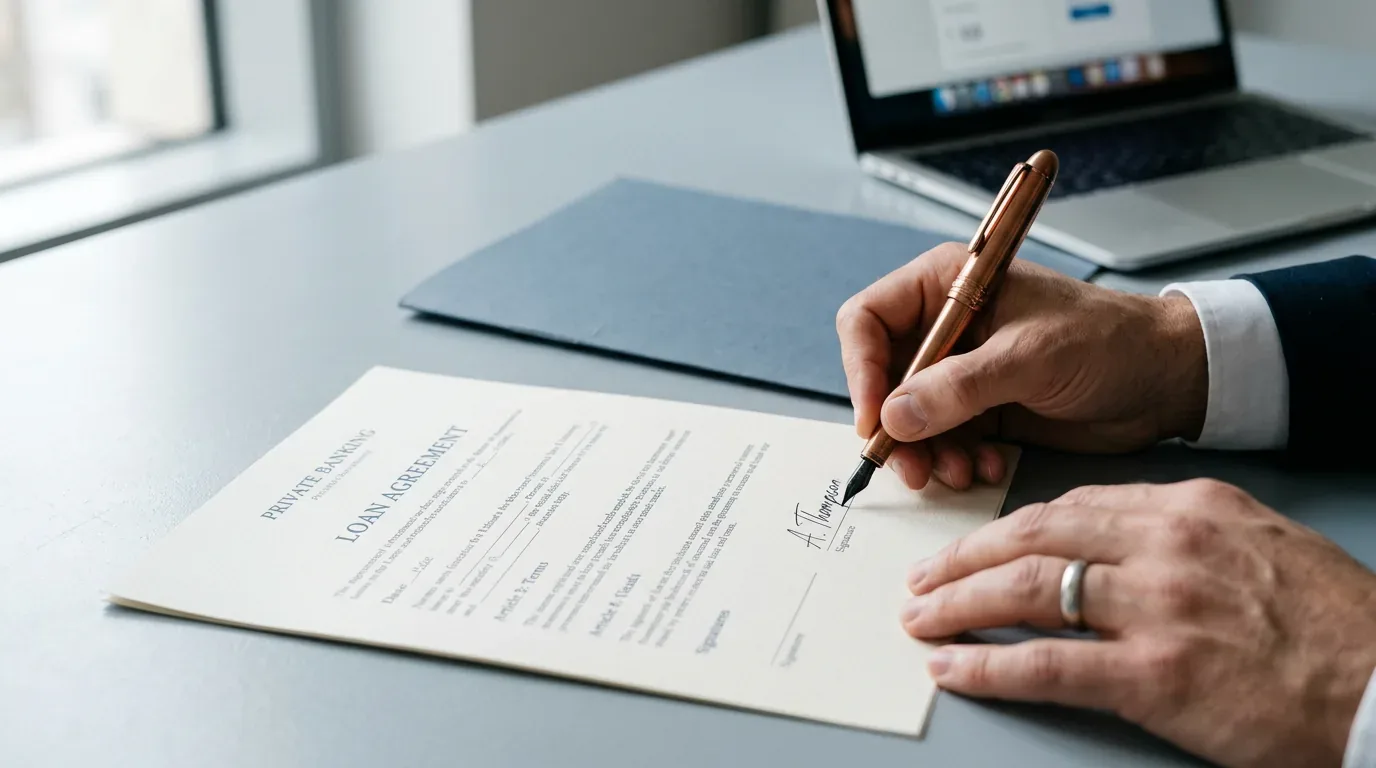
The short version: Pennsylvania has no payday loans, no exemption for online lenders and a court record against a tribal lending arrangement. Whether a tribal lender's sovereignty claim reaches a Pennsylvania borrower is contested, and we make no claim either way.
Two laws, two ceilings
Pennsylvania splits small-loan pricing between two statutes. The Loan Interest and Protection Law limits any lender without a state license to 6% a year on loans of $50,000 or less.
The Consumer Discount Company Act (CDCA) lets licensed lenders charge more, up to 24% a year on loans of $25,000 or less. Payday pricing cannot work under either number, which is why storefront payday lending never took hold in the state.
| Lender | Most it may charge | Loan size covered |
|---|---|---|
| Without a Pennsylvania license | 6% a year | $50,000 or less |
| Licensed under the CDCA | 24% a year | $25,000 or less |
Why lending online doesn't change the rule
In 2008 the Department of Banking and Securities announced that online and out-of-state lenders making loans to Pennsylvanians needed a CDCA license by February 1, 2009.
A lender challenged that position and lost. In Cash America Net of Nevada v. Department of Banking (2010), the Pennsylvania Supreme Court upheld the licensing requirement, so a website based elsewhere is still held to Pennsylvania's caps.
Commonwealth v. Think Finance
The Pennsylvania Attorney General sued Think Finance, alleging it used tribal-affiliated lenders to make online loans to Pennsylvanians at rates far above state limits. The company ended up in bankruptcy, and the case produced multimillion-dollar settlements for Pennsylvania borrowers.
What $1,000 costs at each ceiling
The gap is easiest to see on a single loan repaid in 12 equal monthly payments.
| Price | APR | Monthly payment | Total repaid |
|---|---|---|---|
| Unlicensed maximum | 6% | $86.07 | $1,033 |
| Licensed CDCA maximum | 24% | $94.56 | $1,135 |
| Typical tribal installment offer | 300% | $268.45 | $3,221 |
Illustrative figures only; a lender's agreement shows the actual APR and payments. On one $1,000 loan, the tribal price costs about $2,086 more than the most a licensed Pennsylvania lender may charge.
If you already have a tribal loan at a Pennsylvania address
Both the Department of Banking and Securities and the Attorney General's Bureau of Consumer Protection take complaints about lenders, including online ones. Keep the loan agreement, every payment record and any emails or texts from the lender.
The practical steps for stopping automatic debits and negotiating a payoff are in our guide on how to get out of a tribal loan. If a lender threatens legal action, read whether a tribal lender can sue you first.
Ways to borrow that stay inside Pennsylvania law
- Credit union payday-alternative loans. Federal rules cap them at 28% APR.
- Licensed consumer discount companies. They may charge no more than 24%; confirm the license with the Department of Banking and Securities before you apply.
- 211. Pennsylvania's free referral line connects you with rent, utility and food assistance.
- A hardship plan. Ask the biller you are trying to pay before you borrow to pay it.
Pennsylvania: common questions
Are tribal loans legal in Pennsylvania?
Their status is contested. Pennsylvania limits unlicensed lenders to 6% a year, caps licensed small loans at 24%, requires online lenders to hold a state license, and its Attorney General sued Think Finance over tribal-affiliated loans. Many tribal lenders do not lend to Pennsylvania residents at all.
Why are there no payday loans in Pennsylvania?
Licensed lenders may charge no more than 24% a year on small loans under the Consumer Discount Company Act, and unlicensed lenders no more than 6%. Payday pricing cannot work under those limits.
Do online lenders need a Pennsylvania license?
Yes. Since February 1, 2009, the Department of Banking and Securities has required online and out-of-state lenders lending to Pennsylvanians to be licensed, and the Pennsylvania Supreme Court upheld that rule in 2010.
Where do Pennsylvania borrowers file a complaint about a lender?
With the Pennsylvania Department of Banking and Securities and the Attorney General's Bureau of Consumer Protection. Both accept complaints about online lenders.
Options in Pennsylvania are limited
If you still want to check, you will only see offers a lender will actually make to a Pennsylvania address, and that may be none.
Great Plains Lending is a free matching service, not a lender. We make no claim about whether tribal lending is legal in Pennsylvania.